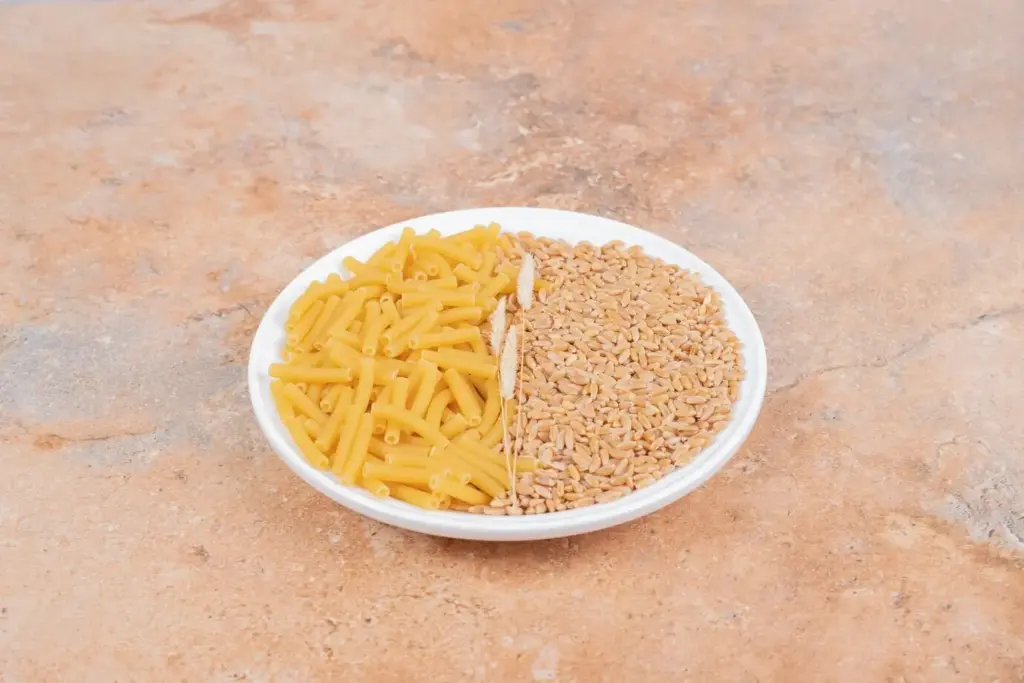
From Soaking to Sprouting: Techniques to Cook Heritage Barley Better
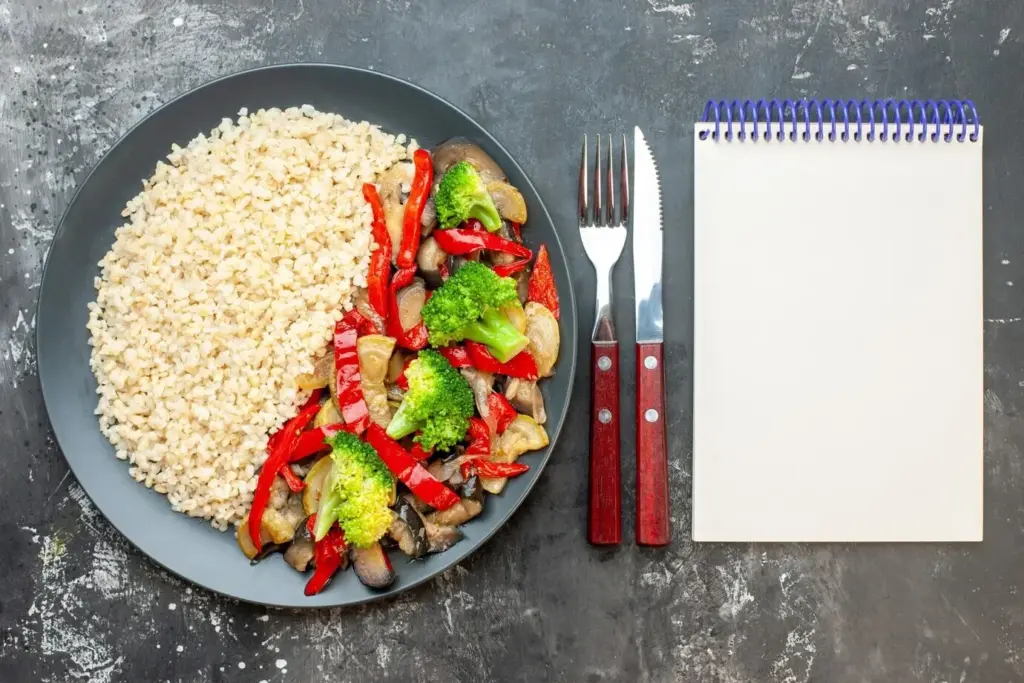
Let’s explore how heritage barley becomes tender, sweet, and deeply satisfying when guided from soaking to sprouting with intention. We will connect practical kitchen steps with grain science, share timelines and sensory cues that actually work, and celebrate small rituals—rinsing, brining, aerating—that elevate flavor, texture, digestion, and everyday confidence at the stove.

Heirloom character and flavor profiles
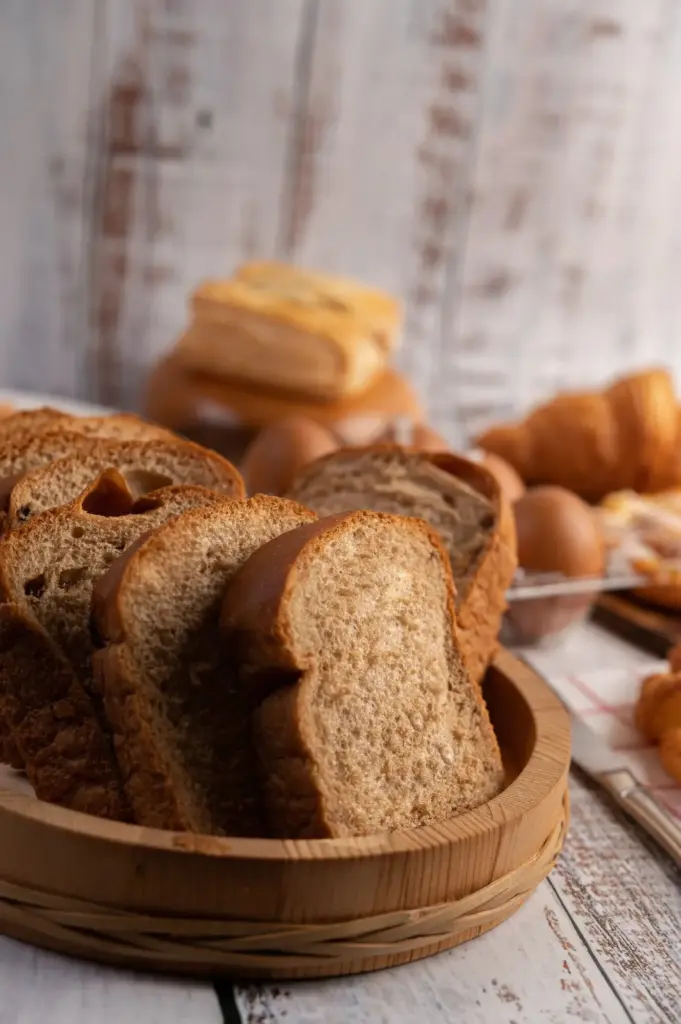
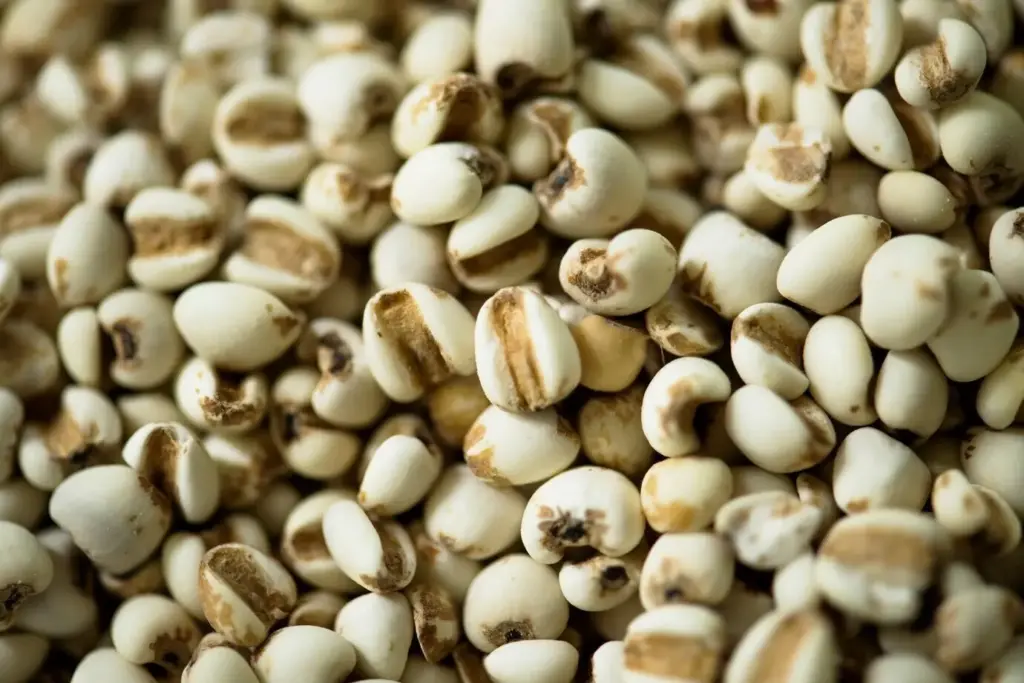
From Scottish Bere to purple and black barley lines, heirloom grains bring earthy malt notes, floral hints, and sometimes a delicate grape-like sweetness. Savoring these nuances starts with slow smelling and chewing a few raw kernels. Notice color, kernel size, and natural aroma; these cues help predict hydration, cooking times, and what accompanying broths or herbs will harmonize without overpowering subtle, field-bred character.

Hulled, pearled, or naturally hulless

Hulled barley retains bran and germ beneath its inedible hull, cooking slower but offering robust flavor and nutrition. Pearled kernels are abraded, cooking faster with milder taste and fewer nutrients. Hulless, sometimes called naked barley, sheds its hull naturally, balancing speed and complexity. Knowing which you have shapes soaking duration, sprouting success, water ratios, and the difference between a pleasantly chewy grain and an underdone disappointment.

The Science and Art of Soaking

Soaking isn’t just softening; it primes starches, reduces phytic acid, and lets salts and acids season kernels from within. Thoughtful parameters—temperature, salinity, and time—shift textures from squeaky to silky. A calm, extended soak also reduces cooking fuel, evens hydration among mixed kernel sizes, and sets a steady stage for sprouting or direct cooking that tastes round, gentle, and remarkably consistent.

Sprouting for Nutrition, Speed, and Sweetness

Sprouting turns a good pot of barley into something lively. Enzymes awaken, nudging starch toward gentle sweetness and shortening cooking time. With simple gear—a jar, mesh, airflow—you can bring kernels to tiny tails within a day or two. The result is brighter flavor, softer chew, and a nourishing bowl that feels tender on digestion while keeping character and rustic soul intact.

A simple jar method that just works

After soaking, drain barley thoroughly and place it in a tilted jar covered with a breathable mesh or cloth. Rinse and drain twice daily, ensuring excess water can escape and plenty of air circulates. Keep the jar away from direct sun but not cold. In twenty-four to thirty-six hours, you’ll see short sprouts. Stop when tails are tiny; longer tails can muddy flavor and soften texture too far.

Enzymes, sweetness, and faster cooking

Sprouting activates amylase and related enzymes that nudge complex starches toward simpler sugars, subtly sweetening the grain and reducing viscosity in the pot. This biochemical shift doesn’t just taste lovely; it trims cooking time meaningfully. You’ll notice a tender center sooner, fewer split kernels, and a silken broth. That touch of natural sweetness pairs beautifully with lemon zest, herbs, mushrooms, or slow-cooked onions without needing heavy sauces.

Safety, storage, and optional drying

Keep all equipment impeccably clean, rinsing sprouts with cool water and draining completely to discourage unwanted microbes. If not cooking immediately, refrigerate in a breathable container for a day or two. For extended use, briefly dry sprouts on low heat, then store airtight. Rehydrated or cooked directly, they retain their gentle sweetness and improved digestibility while fitting a weeknight routine without stress.

Cooking Methods That Honor the Grain

Gentle simmer with layered aromatics

Cover soaked or sprouted barley with lightly salted water or stock, adding bay leaf, garlic, or a strip of kombu to round edges. Maintain a quiet simmer, not a boil, so skins stay intact. Stir occasionally but not obsessively. When kernels bloom and release a faint malty aroma, taste for tenderness. Finish with olive oil or butter to gloss the surface and carry aromas to every steaming spoonful.

Pressure cooker convenience without compromise

Cover soaked or sprouted barley with lightly salted water or stock, adding bay leaf, garlic, or a strip of kombu to round edges. Maintain a quiet simmer, not a boil, so skins stay intact. Stir occasionally but not obsessively. When kernels bloom and release a faint malty aroma, taste for tenderness. Finish with olive oil or butter to gloss the surface and carry aromas to every steaming spoonful.

Absorption and pilaf technique for focus

Cover soaked or sprouted barley with lightly salted water or stock, adding bay leaf, garlic, or a strip of kombu to round edges. Maintain a quiet simmer, not a boil, so skins stay intact. Stir occasionally but not obsessively. When kernels bloom and release a faint malty aroma, taste for tenderness. Finish with olive oil or butter to gloss the surface and carry aromas to every steaming spoonful.

Texture, Seasoning, and Delicious Pairings

Heritage barley loves contrast: silky interiors against tender skins, savory depth balanced by bright acids and herbs. Build flavor in layers—salty, sour, bitter, sweet, fat—so the grain’s malt and nuttiness shine. Mushrooms, citrus, tahini, roasted roots, and toasted seeds are generous companions. With sprouted kernels, you can lean lighter, letting natural sweetness carry the plate toward surprising clarity and satisfying finish.

Dialing in chew and creaminess

For a looser, spoonable bowl, cook in more liquid and stir occasionally to encourage gentle starch release. For firmer chew, use absorption and minimal agitation. Sprouted barley reaches balance faster, so check early. A final spoon of butter, olive oil, or tahini smooths edges, while a splash of vinegar or lemon wakes everything up, keeping richness buoyant rather than heavy.

Flavor layering that respects heritage

Start with aromatics in fat—onion, fennel, celery—then bloom spices like coriander, bay, or juniper. Add broth and barley, finishing with herbs, zest, and a restrained sweetness from sprouting. Toasted walnuts or hazelnuts echo barley’s nuttiness; parsley and dill cut through plush textures. Avoid too many aggressive chilies; one fresh pepper or smoky paprika is enough to nudge complexity without smothering field-born nuance.

Serving ideas for every season

In winter, fold barley into mushroom broth with thyme and black pepper, finishing with crème fraîche. In spring, toss sprouted kernels with asparagus, peas, lemon, and mint. Summer loves grilled zucchini, cherry tomatoes, and basil oil. Autumn sings with roasted squash, sage, and brown butter. Each plate welcomes crunch—pumpkin seeds, rye crumbs—and a final drizzle that carries perfume to the first anticipatory bite.

Sustainability, Stories, and Your Voice

Cooking heritage barley connects kitchen and field. Farmers preserve diversity so we can taste resilience; we honor that work when we cook carefully, waste little, and share what we learn. Tell us what changed when you tried soaking longer or sprouting shorter. Your notes help others avoid frustration and keep this delicious, storied grain alive on weeknights and celebratory tables alike.

A farmer’s note that changed my pot

A grower once described how cool maritime nights in their valley tightened kernels, leading to longer initial soaks but brighter aroma. I started tasting the soak water, smelling malt and salt before cooking. That tiny ritual focused attention, reduced overcooking, and made me feel connected to the field’s breath, not just a timer. Share any grower wisdom you’ve heard; it really does travel into the bowl.

Your kitchen diary challenge

This week, record three batches: un-sprouted, sprouted twenty-four hours, and sprouted thirty-six. Note aroma, chew, sweetness, and timing. Snap a photo of the tiniest tails that taste best to you. Post results, surprises, and questions. Together we’ll build a living reference more useful than generic times, helping new cooks land tender, confident pots while celebrating every delicious near-miss along the learning curve.
Rapanemeloremo
Privacy Overview

This website uses cookies so that we can provide you with the best user experience possible. Cookie information is stored in your browser and performs functions such as recognising you when you return to our website and helping our team to understand which sections of the website you find most interesting and useful.