Golden Crusts, Nutty Crumbs, Lasting Traditions
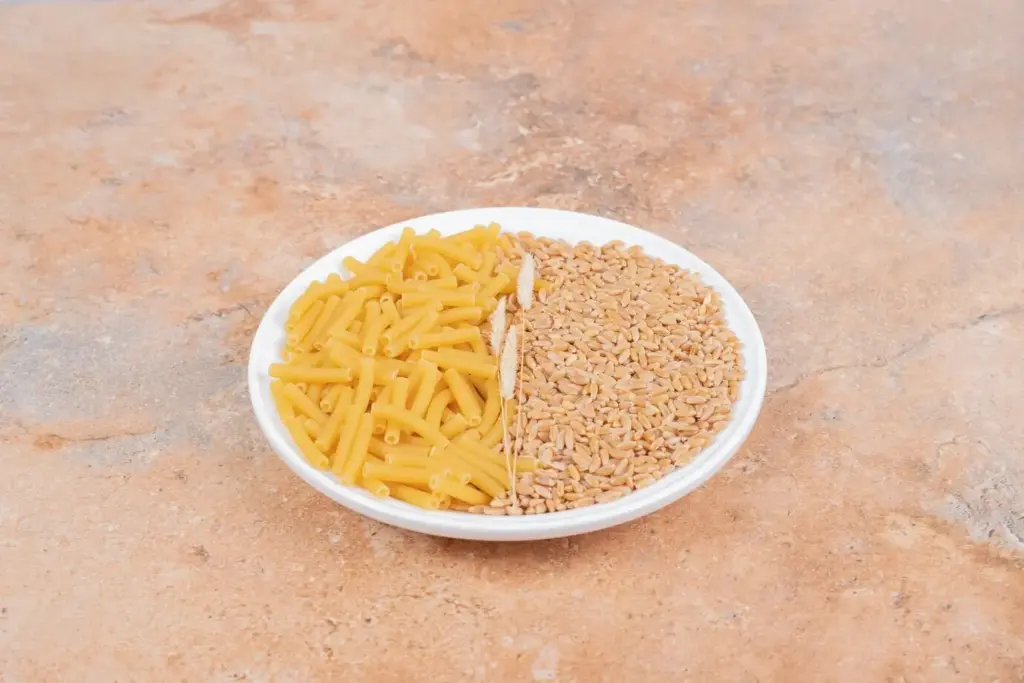
Today we dive into baking with heritage barley flour, exploring breads, pastries, and crusts that showcase its earthy sweetness, creamy hue, and gentle, tender bite. Expect practical methods, memorable stories, and science-backed adjustments that unlock dependable results at home. Bring your curiosity, a kitchen scale, and a willingness to experiment, because this ancient grain rewards attentive hands and patient hearts with flavor that lingers and a nourishing, comforting character perfect for everyday sharing.

From Field to Mill: The Character of an Old Grain
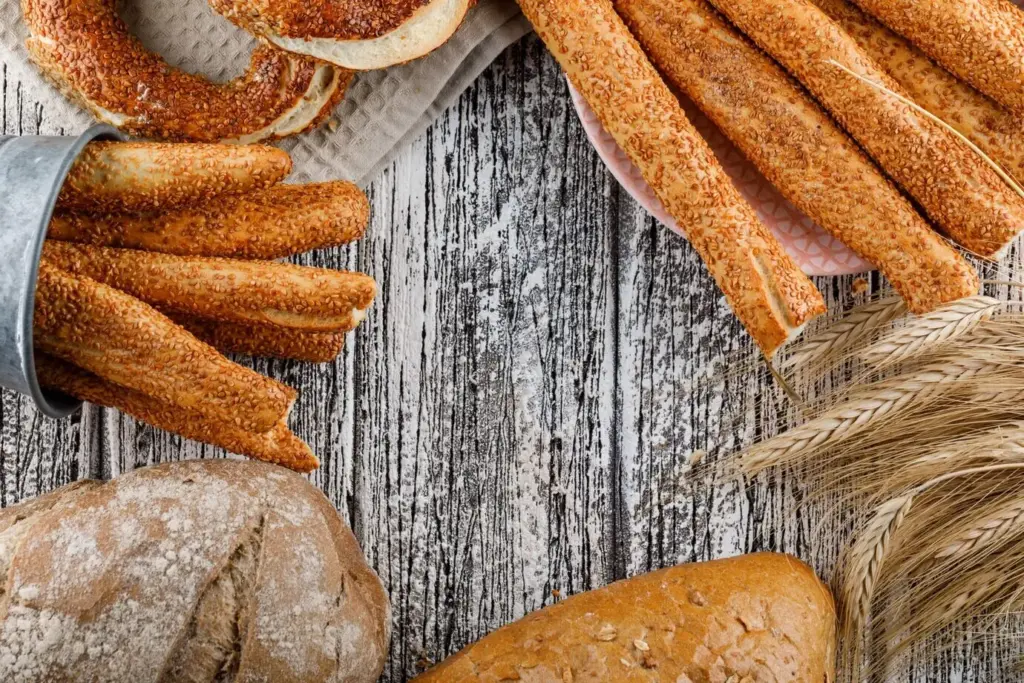
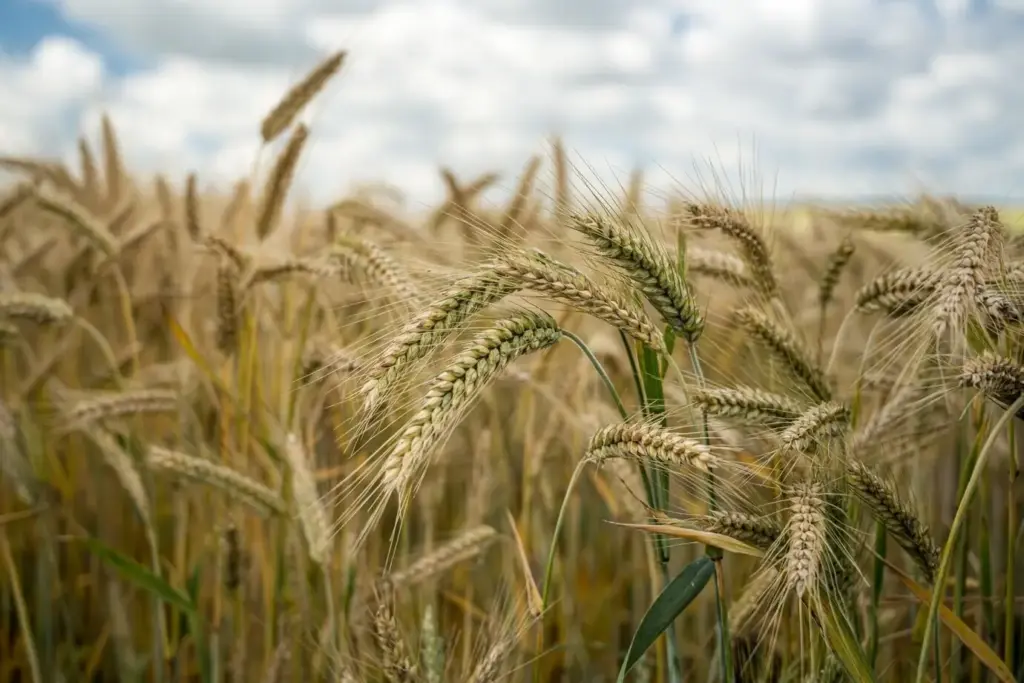
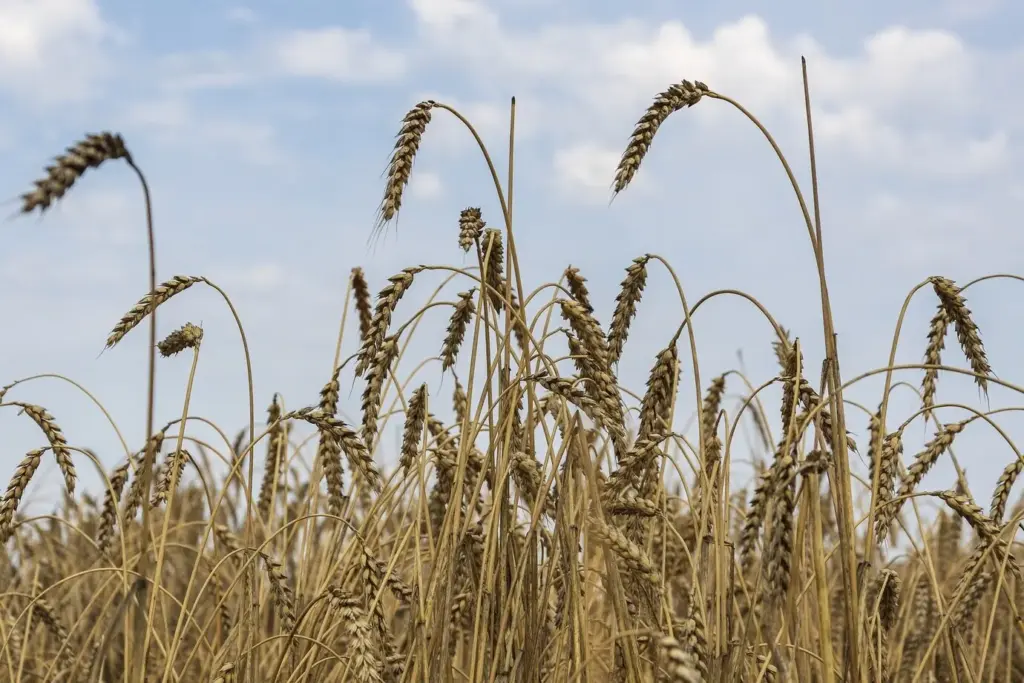
Heritage barley carries stories of small farms, wind-swept fields, and regional milling traditions that preserve aromatic oils and husky personality. Hulless and landrace types often deliver deeper flavors, while stone-milling maintains bran and germ for complexity. Understanding where and how your flour was grown and ground shapes hydration decisions, crumb texture, and browning. Choosing a trusted miller, then noting freshness and sifting level, sets an essential foundation for consistent dough behavior and repeatable, joyful bakes.

Dough Dynamics Without the Safety Net of Strong Gluten
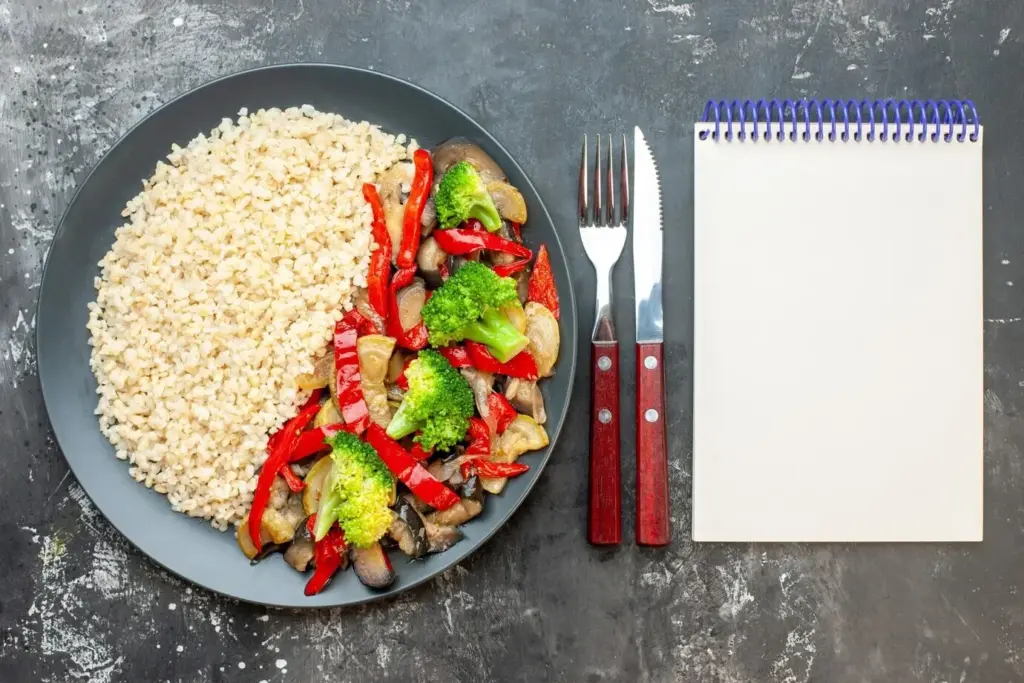
Barley contains minimal gluten-forming proteins, which means structure relies on technique rather than elasticity. Gentle mixing, strategic blending with wheat, and patient rest times replace aggressive kneading. Beta-glucans thicken dough sensations, creating stickiness without resilience, so hydration must be tuned thoughtfully. Enzymes can sweeten crumb and hasten browning, making careful fermentation essential. With smart handling and supportive shaping, you’ll find reliable ways to achieve slices that hold together, pastries that crumble delicately, and crusts that shatter cleanly.

Hydration and Stickiness

Expect doughs to feel tacky earlier than wheat blends of similar hydration. Begin conservatively, then add water gradually during rests, allowing bran to swell and beta-glucans to thicken. Wet hands help with folds, while a short autolyse eases mixing. Consider brief cold rests to settle stickiness. Aim for dough that spreads slowly, not puddles, and remember that surface tension during shaping is created by confident, swift movements rather than intensive gluten development, especially with higher percentages of barley flour.

Enzymes, Malt, and Sweetness

Barley can carry significant enzymatic power, coaxing gentle sweetness and pronounced browning. Watch for over-fermentation, gummy streaks, or overly rapid color. Balance with cooler dough temperatures, shorter bulk times, or a small portion of lower-extraction wheat flour. If using diastatic malt elsewhere in your baking, reduce or omit it here to prevent starch breakdown issues. Taste crusts frequently: a deep amber hue is delicious, but aim to stop before bitterness eclipses the grain’s honeyed and nut-like character.

Daily Breads with Rustic Confidence

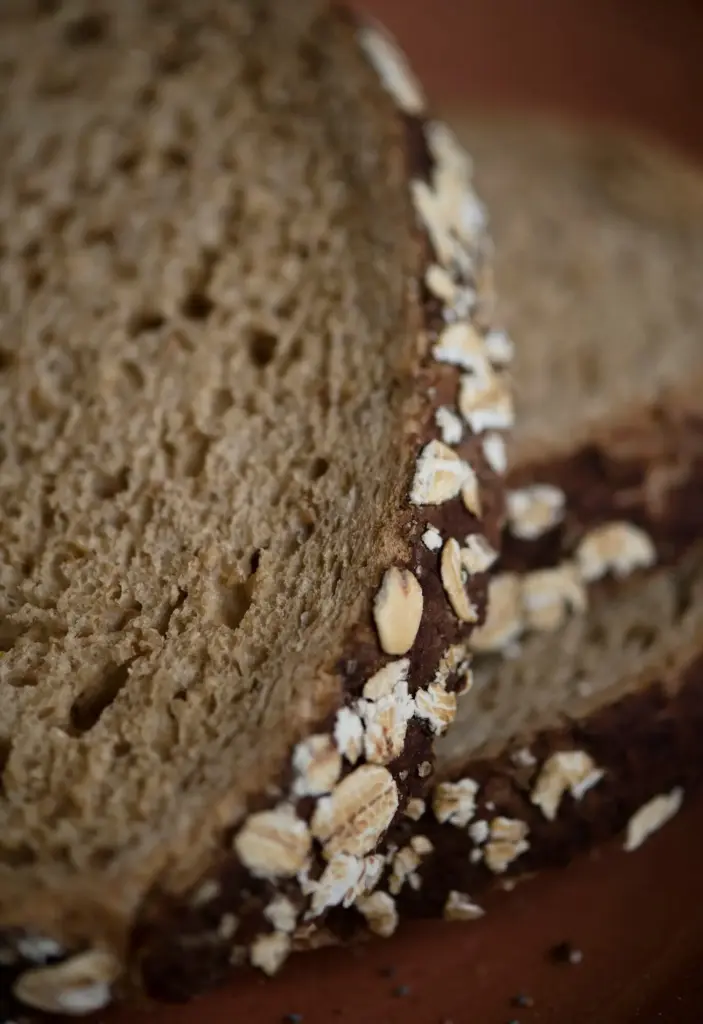
Weeknight loaves become achievable when formulas respect the grain’s nature. Think pan breads with soft, even slices perfect for soup or toast, balanced sourdoughs that marry barley’s sweetness with lactic tang, and quick skillet flatbreads for fast dinners. Gentle fermentation promotes flavor without collapse, while restrained hydration delivers spread control. Small tweaks—like adding toasted seeds or a spoon of honey—highlight barley’s gentle depth. Embrace approachable methods that fit busy schedules yet preserve soulful, memorable character.

Pastries that Crumble, Flake, and Glow with Toasty Notes
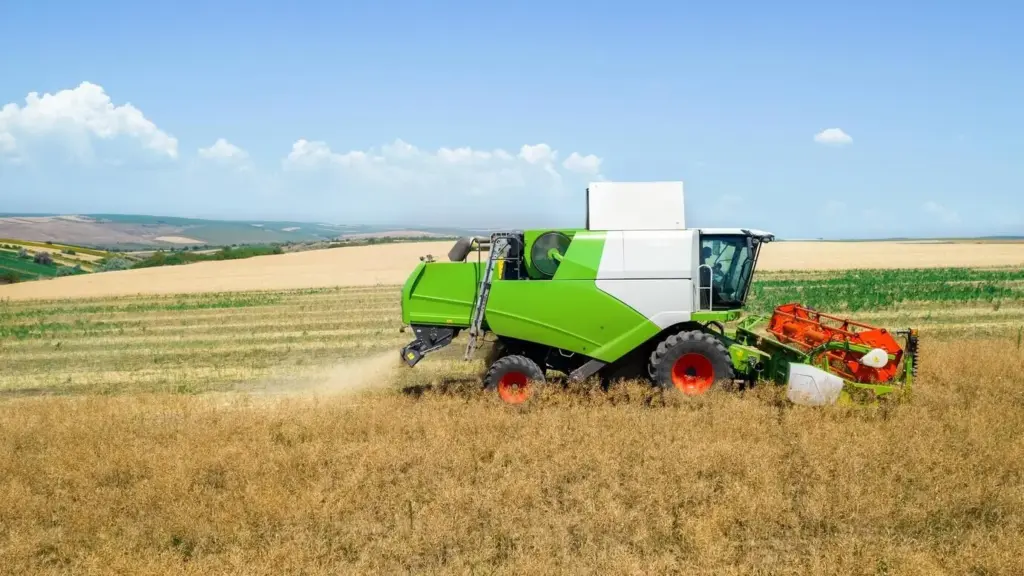
Barley flour excels where tenderness matters most. Its low gluten presence helps cookies melt, shortcrusts hold shape without toughness, and cakes stay moist with a warm, cereal sweetness. Cold butter, careful mixing, and patient chilling ensure clean edges and delicate texture. For laminated doughs, blend with wheat and keep turns cool and efficient. A little citrus zest or vanilla lifts aroma, while brown sugar complements barley’s malt-like undertones. Your bakes will taste cozy yet quietly sophisticated.

Shortcrust and Cookies

Cream butter and sugar gently, then sift in barley flour with a touch of cornstarch for extra delicacy. Rest the dough so bran softens and moisture equilibrates. Roll between parchment to avoid excess flour, and chill before cutting. Bake until edges bronze and centers set, letting carryover heat finish. Expect sandy bite, caramel hints, and astounding fragrance. Add chopped nuts, chocolate shards, or citrus peels to frame the grain’s sweetness, bringing familiar favorites a new, memorable dimension.

Laminated Layers with Restraint

For puff or croissant-style layers, use a modest proportion of barley with strong wheat to protect lift while inviting nutty flavor. Keep butter pliable, dough cool, and turns steady. Aim for fewer strokes rather than aggressive rolling to avoid tearing. The baked result won’t tower like traditional versions, yet it rewards with a feathery, fragile crunch and a honeyed aroma. Pair with fruit compotes or spiced syrups, leaning into barley’s comfort rather than chasing extreme volume at all costs.

Crusts That Sing: Pies, Galettes, and Pizza
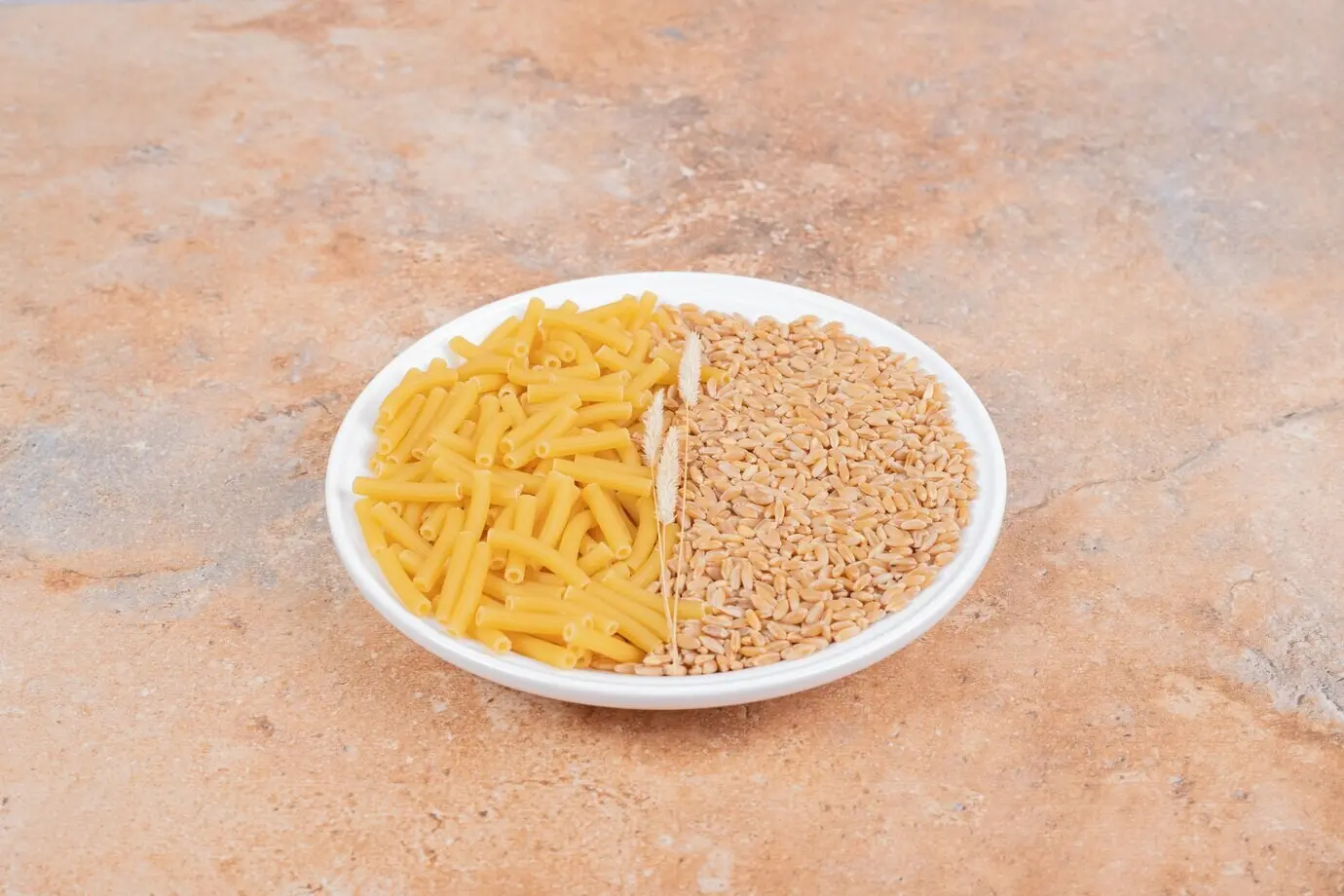
Crisp edges and sturdy bottoms are well within reach with thoughtful technique. For pies, barley adds subtle sweetness and a deep, toasty aroma; for galettes, it lends rustic charm; for pizza, it enriches chew and color. Cold fat, minimal water, and strategic resting periods control shrinkage and ensure flake. Blind baking becomes your friend, as does venting juicy fillings. Each bake becomes an aromatic performance where the grain’s heritage character supports fruit brightness and savory complexity alike.

Pairings, Spices, and Seasonal Magic

{{SECTION_SUBTITLE}}
Sweet Companions
Barley flour loves unrefined sugars and warm spices. Try brown sugar, muscovado, or maple syrup alongside cinnamon, cardamom, and orange zest. Fold in figs, apricots, or blueberries for pockets of brightness. Chocolate becomes velvety against barley’s gentle malt, while toasted coconut adds nostalgic chew. A drizzle of honey after baking reinforces floral notes. Build desserts that taste familiar yet intriguingly layered, inviting slower bites, curious conversation, and the kind of contentment that lingers pleasantly long after plates are cleared.

Savory Allies

Herb-studded loaves, seed-crusted crackers, and roasted vegetable galettes all shine with barley’s warmth. Match with rosemary, sage, fennel seed, or black pepper, and underline depth with umami-rich ingredients like anchovy butter, miso, or aged cheese. Fresh lemon zest adds sparkle without overshadowing. Consider a smear of olive tapenade on flatbreads, or scatter caramelized mushrooms across barley-enriched pizza. These combinations emphasize comfort and complexity, making weekday dinners feel thoughtful and friend-filled, even when time is short and appetites are big.

Troubleshooting, Testing, and Sharing the Journey

Challenges are invitations to observe more closely. Dense slices, crumbly cookies, or soggy pie bases often yield to small, deliberate adjustments. Keep notes, change one variable at a time, and taste with attention. Share your findings, ask questions, and celebrate partial victories—because progress in the kitchen feels best when it’s communal. Subscribe for new formulas and field notes, leave a comment with your latest experiment, and help build a living library of barley wisdom for future bakers.

When Loaves Feel Heavy

Reduce hydration slightly, extend rests to mellow roughness, and shorten bulk to prevent collapse. Consider a higher proportion of strong wheat or shape into a pan for supportive sides. Steam early, vent late, and let the loaf cool fully before slicing to preserve structure. Track dough temperature and proofing cues rather than relying on the clock. Small, steady refinements quickly transform dense efforts into tender, reliable breads that slice cleanly and toast with fragrant, golden-amber confidence.

When Pastries Fall Apart

Chill thoroughly at every stage, mix less once flour meets fat, and use an extra spoon of liquid to encourage cohesion without toughness. Try an egg yolk for added richness and binding. Roll between parchment to prevent excess flour, and rest dough in the fridge before cutting or filling. If edges still crumble, increase wheat proportion slightly while preserving barley’s flavor. Document each tweak, then compare textures side by side until delightful bite and clean, confident slices become routine.

When Crusts Sog or Burn

Blind bake longer, brush with egg white, and thicken juicy fillings to protect structure. Position pies lower in the oven for stronger bottom heat, and watch edges for early color, shielding as needed. For pizza, preheat steel or stone aggressively and rotate often. If bitterness creeps in, reduce sugars, drop the temperature, or shorten bake time. Share before-and-after photos and notes with our community—your observations can save someone else’s pie night and inspire better bakes for us all.

Rapanemeloremo
Privacy Overview

This website uses cookies so that we can provide you with the best user experience possible. Cookie information is stored in your browser and performs functions such as recognising you when you return to our website and helping our team to understand which sections of the website you find most interesting and useful.